
Painting your home can be one of the most impactful and cost-effective ways to refresh its appearance. Whether you’re updating a single room or tackling an entire house, understanding the right tips and techniques can save time, reduce frustration, and ensure a stunning result. Below are some essential guidelines to help you succeed in your painting projects.
Preparing Your Space for Painting
Preparation is key to achieving a smooth, professional-looking finish.
- Clear the Room: Remove furniture or cover it with plastic sheets to prevent paint splatters.
- Protect Surfaces: Use painter’s tape to mask edges, trim, and fixtures. Lay down drop cloths or plastic sheeting on floors.
- Clean Walls: Dust and grease can prevent paint from adhering properly. Clean walls with mild detergent or a trisodium phosphate (TSP) solution.
- Repair Imperfections: Fill in holes, cracks, or dents with spackling paste and sand them smooth once dry.
Choosing the Right Technique for Your Walls
Selecting the right painting technique is essential for an even coat.
- Use a high-quality angled paintbrush to outline areas near ceilings, baseboards, windows, and corners before using a roller.
- This helps create crisp edges that rollers cannot achieve on their own.
- Load your roller evenly without over-saturating it.
- Start with a “W” or zigzag pattern on the wall and then roll horizontally for full coverage.
- Focus on small sections of the wall at a time (approximately 3-foot squares).
- Blend edges between sections while the paint is still wet to avoid visible lines.
Tips for Professional Results
- Always apply two coats of paint for richer color depth and durability.
- Sand between coats lightly with fine-grit sandpaper to remove imperfections.
- Maintain consistent pressure when using brushes or rollers to avoid streaks.
- Work during daylight hours if possible; natural light reveals imperfections more clearly than artificial lighting.
Common Mistakes to Avoid
Mistakes during painting projects can compromise your hard work.
| Mistake | How to Avoid It |
| Skipping Primer | Always use primer on new walls or dark colors before applying paint. |
| Using Low-Quality Tools | Invest in good brushes, rollers, and painter’s tape for better results. |
| Overloading Brushes/Rollers | Tap off excess paint before applying it to surfaces evenly. |
| Rushing Between Coats | Allow each coat adequate drying time as specified on the paint label. |
By mastering these house painting tips and techniques, you’ll not only save money but also create spaces that feel fresh and inviting for years to come.
Expert Tips from a Painting Company Perrysburg OH on Choosing the Perfect Paint for Your Home
The quality, color, finish, and type of paint you select can significantly impact the overall look and feel of your space. This guide provides expert advice to help you navigate the process effectively.
Factors to Consider When Choosing Paint
- Room Functionality: Determine how each room will be used and choose paint accordingly. High-traffic areas like kitchens or hallways may require more durable, washable paints such as semi-gloss or satin finishes.
- Lighting Conditions: Natural and artificial light influence how colors appear. Test samples in both types of lighting to ensure the chosen shade complements the room.
- Surface Type: Different surfaces (wood, drywall, metal) may require specific types of paint for proper adhesion and durability.
- Personal Style: Think about whether you prefer bold or neutral tones. Consider how the color will harmonize with existing furniture and decor.
Types of Paint Finishes
The finish of a paint affects its appearance and performance.
| Finish Type | Features | Best Uses |
| Flat/Matte | Non-reflective; hides imperfections; less durable | Ceilings, low-traffic areas |
| Eggshell | Slight sheen; more durable than flat; easy to clean | Living rooms, bedrooms |
| Satin | Soft sheen; highly durable; moisture-resistant | Kitchens, bathrooms |
| Semi-Gloss | Reflective finish; very durable; resists stains and moisture | Trim, doors, cabinets |
| High Gloss | Extremely shiny and reflective; hardest to apply but most durable | Furniture, decorative accents |
Tips for Picking the Right Color Palette
Selecting colors can make or break your home’s aesthetic appeal.
- Start with Neutrals: Neutral shades like whites, grays, or beiges serve as versatile backdrops that complement various decor styles.
- Use Accent Colors Sparingly: Add personality by incorporating bold colors on accent walls or smaller areas without overwhelming the space.
- Blue evokes calmness—ideal for bedrooms.
- Yellow radiates warmth—great for kitchens or dining rooms.
- Green connects with nature—perfect for living spaces.
- Test Samples Before Committing: Paint small swatches on walls and observe them at different times of day before making your final selection.
Eco-Friendly Options in Modern Paints
- Low-VOC (Volatile Organic Compounds): Emits fewer harmful chemicals into the air.
- Natural Paints: Made from renewable materials like plant oils or clay.
These options are particularly beneficial if there are children or individuals with allergies in your household.
By carefully considering factors like functionality, surface type, lighting conditions, and personal preferences—and by understanding available finishes—you can confidently select a paint that enhances both aesthetics and practicality within your home environment.
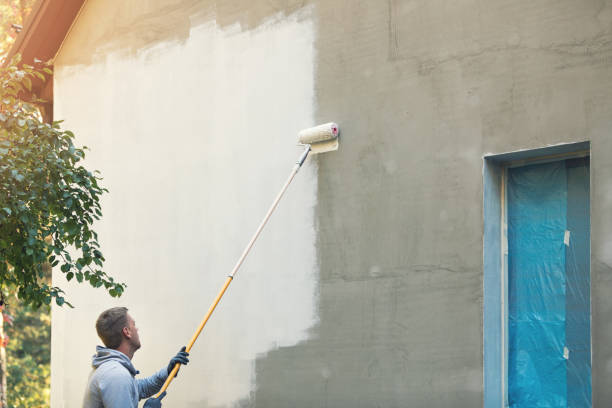
Step-by-Step Guide to Interior & Exterior Painting Perrysburg OH for a Professional Finish
Achieving a professional paint finish requires careful preparation, the right techniques, and attention to detail. Whether you’re painting walls, furniture, or trims, following a systematic approach can make all the difference. Below is a detailed guide to help you achieve smooth and durable results.
Proper surface preparation is the foundation of a flawless finish. Before applying paint, ensure that the surfaces are clean, smooth, and free of imperfections.
- Clean the surface:
Use a damp cloth or sponge with mild soap to remove dirt, grease, or dust. For tougher stains or mildew, consider using trisodium phosphate (TSP). - Repair imperfections:
Fill holes or cracks with spackle or wood filler and sand them smooth once dry. For larger damages in drywall, use joint compound and apply in thin layers for an even repair. - Sand the area:
Sanding creates a smooth texture and helps paint adhere better. Use 120- to 150-grit sandpaper for walls and finer grit (180-220) for furniture or trim. - Prime when necessary:
A good primer not only ensures better adhesion but also provides an even base color. This step is particularly important when painting over dark colors or porous surfaces like new drywall.
The quality of your tools directly influences your results.
| Surface Type | Recommended Paint Type | Suggested Brush/Roller |
| Walls | Matte/eggshell | Medium-nap roller (3/8″ – 1/2″) |
| Cabinets/Furniture | Semi-gloss/satin | Synthetic bristle brush |
| Trim | High-gloss/semi-gloss | Angled sash brush |
- Use high-quality synthetic brushes for water-based paints and natural bristle brushes for oil-based paints.
- Invest in rollers with appropriate nap lengths depending on whether you’re painting textured ceilings or flat walls.
- Cutting in:Start by using an angled brush to paint edges around ceilings, corners, window frames, and baseboards before rolling larger areas.
- Roller application:Load your roller evenly by rolling it back and forth on a paint tray filled halfway with paint. Roll onto the wall in an overlapping “W” shape pattern to prevent streaks.
- Thin coats are key:Apply two thin coats rather than one thick coat for better durability and smoother results.
- Wet edges:Work quickly enough so that wet sections overlap slightly; this prevents visible lines between strokes.
- Wait at least two hours between coats for latex paints; oil-based paints may require up to six hours.
- Avoid heavy airflow from fans as it can cause uneven drying patterns.
Common Mistakes to Avoid
- Skipping primer when needed can lead to uneven coverage.
- Overloading brushes or rollers often causes drips or pooling paint.
- Ignoring painter’s tape leads to messy edges—always tape off areas where precise lines are needed.
- Rushing through sanding steps may leave visible imperfections under finished coats.
By diligently following these steps and avoiding common mistakes, you can achieve stunning results on your next painting project while prolonging its durability over time!
How to Select the Right Tools for Your Painting Projects
Selecting the right tools for your painting project is critical to achieving a smooth, professional finish and ensuring efficiency. The quality of your tools not only affects the outcome of your work but can also impact how much time and effort you put into the job. Whether you’re a seasoned painter or tackling your first DIY project, using the right equipment will make all the difference.
Essential Tools for Every Painting Project
Before starting any painting job, it’s important to gather essential tools that cater to your specific needs.
- Paintbrushes: Choose quality brushes with proper bristle types:
- Nylon or polyester bristles for water-based paints.
- Natural-bristle brushes for oil-based paints.
- Paint Rollers: Opt for different nap lengths based on surface type:
- Smooth surfaces (e. g. , drywall): ¼-inch nap.
- Semi-smooth surfaces (e. g. , plaster): ½-inch nap.
- Rough surfaces (e. g. , stucco): ¾-inch or more.
- Painter’s Tape: Use high-quality painter’s tape for clean edges.
- Drop Cloths: Protect floors and furniture with canvas or plastic drop cloths.
- Paint Trays and Liners: These help distribute paint evenly across rollers without creating a mess.

Specialized Tools for Better Results
| Tool | Purpose |
| Edging Tool | For precise paint application around corners and edges. |
| Extension Poles | To reach high ceilings and walls without using ladders. |
| Sandpaper/Sponges | Prepares surfaces by smoothing imperfections before painting. |
| Paint Mixer | Ensures color uniformity by thoroughly mixing paint before application. |
| Caulking Gun | Seals gaps and cracks before applying paint, ensuring smooth finishes. |
Tips for Choosing Quality Tools
- Match Tools to Paint Type: Certain brushes and rollers are designed specifically for either oil-based or water-based paints. Using mismatched tools could lead to inefficient application or poor-quality results.
- Invest in Reusable Options: While disposable supplies may seem cheaper upfront, investing in durable, reusable equipment often provides better long-term value.
- Prioritize Comfort: Ergonomic handles on brushes, rollers, and extension poles can reduce hand fatigue during extended use.
- Look at Material Quality: Synthetic bristles often hold their shape longer than natural ones when used with latex paints.
Maintenance of Painting Tools
- Clean brushes immediately after use with warm soapy water (for water-based paints) or mineral spirits (for oil-based).
- Store rollers in airtight plastic bags between coats to prevent drying out.
- Ensure all tools are thoroughly dried before storage to avoid rust or damage.
By equipping yourself with the right painting tools and maintaining them properly, you’ll achieve not only better results but also save time and resources on future projects.
Transform Your Space: Creative Ideas for Using Paint in Home Decor
Paint is one of the most versatile tools in home decor, offering endless possibilities to refresh and elevate your living spaces. Whether you’re looking to make a bold statement or create a subtle transformation, creative paint applications can redefine the character of any room. Below are innovative ideas and techniques for using paint in home decor.
Accent Walls for Dramatic Effect
An accent wall can immediately draw attention and add depth to any room.
- Bold Colors:Choose a vibrant color like deep blue, mustard yellow, or emerald green to create a lively focal point.
- Geometric Patterns:Use painter’s tape to design stripes, chevrons, or abstract shapes for a modern look.
- Textured Finishes:Experiment with faux finishes, such as sponging or rag rolling, to give your wall dimension.
Painted Ceilings: The Fifth Wall
Don’t overlook your ceiling as an opportunity for creativity. Painted ceilings can change the perception of space and add unexpected charm.
- Use light pastel shades to create the illusion of height.
- Apply metallic paints like gold or silver for a luxurious touch.
- Try contrasting colors between the walls and ceiling for added drama.
Color Blocking Techniques
Color blocking is a trendy way to bring modern energy into your home. This involves using contrasting colors in distinct sections of a wall or room.
- Divide walls horizontally or vertically with two complementary hues.
- Paint large geometric shapes (e. g. , circles, rectangles) on walls as art-like features.
- Extend blocks from walls onto furniture pieces like bookshelves or desks.
Furniture Makeovers with Paint
Revive old furniture by giving it a fresh coat of paint.
| Furniture Item | Suggested Paint Finish | Creative Ideas |
| Wooden chair | Matte finish | Add stenciled patterns on the seat |
| Side tables | Glossy finish | Use bold colors like red or navy |
| Cabinet fronts | Chalk paint | Achieve a vintage distressed texture |
| Bookshelves | Satin finish | Paint interior panels in bright tones |
Mural Designs and Wall Art
Murals are perfect for personalizing spaces such as children’s rooms, nurseries, or creative workspaces.
- Nature Themes:Trees, florals, and landscapes bring serenity into living spaces.
- Abstract Art:Add splashes of bold color and freeform designs for an artistic vibe.
- Typography:Inspirational quotes or meaningful words can be hand-painted as stylish decor elements.

Two-Tone Walls: A Subtle Statement
- Select two complementary shades—light on top and darker at the bottom—or vice versa.
- Divide the space with chair rails or molding for clean separation lines.
- Blend neutral hues (like beige) with soft accent tones (like dusty pink).
Tips for Maximizing Impact with Paint
- Always test samples on small areas before committing to full coverage.
- Use high-quality brushes and rollers designed for specific surfaces (walls vs furniture).
- Consider lighting conditions; natural light can alter how colors appear throughout the day.
By thinking beyond traditional uses of paint, you can achieve truly transformative changes tailored uniquely to your personal style preferences.
Exploring House Painting in Perrysburg OH and the Best Types of Paint for Every Surface
Selecting the right type of paint is essential for achieving the desired look, durability, and functionality for your space. With a variety of paints available, it’s important to understand their characteristics and best uses. Below is an overview of different types of paint and their unique applications.
Types of Paint
- Description: Water-based paint known for its versatility and ease of use.
- Features: Fast-drying, low odor, and easy to clean with soap and water.
- Applications: Ideal for walls, ceilings, and interior spaces where durability isn’t critical.
- Description: A more durable version of latex paint due to added acrylic resins.
- Features: Exceptional adhesion, resistant to cracking or blistering.
- Applications: Best suited for exterior surfaces like siding, fences, or stucco as it withstands harsh weather conditions.
- Description: Traditional paint made with oil that provides a smooth finish.
- Features: Long drying time but highly durable; resistant to wear.
- Applications: Commonly used on trim, doors, cabinets, and high-traffic areas.
- Description: Specialty paint with a matte finish often used in decorative projects.
- Features: Requires minimal surface preparation; excellent adherence.
- Applications: Perfect for furniture makeovers or creating a vintage-inspired look.
- Description: Has a slight sheen that resembles the texture of an eggshell.
- Features: Durable yet subtle; easier to clean than flat finishes.
- Applications: Works well in living rooms or bedrooms where a soft finish is desired.
Comparing Finishes
| Finish Type | Characteristics | Recommended Use |
| Flat/Matte | Non-reflective surface | Ceilings & low-traffic areas |
| Satin | Soft sheen | Kitchens & bathrooms |
| Semi-Gloss | Moderate shine | Trim & cabinets |
| High-Gloss | Intense sheen | Doors & furniture |
Specialty Paints
- Acts as a base coat that ensures better adhesion of the topcoat while concealing imperfections on surfaces.
- Contains additives that create patterns when applied; commonly used to add depth to walls or ceilings.
- Designed to tolerate high temperatures; often used on fireplaces or metal surfaces exposed to heat.
How to Choose the Right Type
When selecting paint for your project: – Consider the surface material (e. g. , drywall, wood, metal).
– Evaluate environmental factors like humidity or exposure to sunlight.
– Think about maintenance needs—some paints are easier to clean than others.
Understanding these factors allows you to make informed decisions about which type of paint will deliver the best results for your specific needs while enhancing both aesthetics and functionality.
- The Ultimate Guide to House Painting Perrysburg OH: Everything You Need for a Perfect Finish
- Understanding the Services Offered by a Painting Company Perrysburg OH for Interior and Exterior Projects
- Key Signs It’s Time for Interior & Exterior Painting Perrysburg OH and How Often to Repaint Your Home
- How Often Should You Hire Painters Perrysburg OH for Interior and Exterior Painting
- Painters Perrysburg OH: Everything You Need to Know About House Painting Tips and Techniques
- Expert Tips from a Painting Company Perrysburg OH: Transform Your Space
- Finding the Best Painters Perrysburg OH: A Comprehensive Guide for Interior Painting Beginners
- How Often Should You Hire a Painting Company Perrysburg OH to Keep Your Home Looking Fresh and Vibrant