
Repainting your home is an essential aspect of maintenance that not only enhances its aesthetic appeal but also protects it against wear and tear. Knowing when to repaint can save you time, money, and effort while ensuring your property remains in excellent condition. Below, we explore how often you should repaint different areas of your home and the key signs it’s time for a refresh.
General Guidelines for Repainting
- Interior Walls: Typically need repainting every 5-7 years, depending on room usage.
- Exterior Walls: Should be repainted every 5-10 years for optimal protection.
- Doors, Trim, and Baseboards: These high-touch areas may require attention every 2-4 years due to scuff marks or fading.
- Ceilings: Often last longer and may only need repainting every 10+ years unless discoloration or damage occurs.
Key Signs It’s Time to Repaint
- Direct sunlight can cause paint colors to fade over time.
- Interior walls exposed to consistent light might lose vibrancy more quickly.
- Indicates deterioration caused by moisture infiltration or improper application.
- On exteriors, peeling paint exposes surfaces to damaging weather elements.
- Water damage stains on ceilings or walls require immediate attention.
- Persistent smudges that can’t be cleaned away suggest it’s time to refresh with a new coat.
- A dusty residue on exterior walls is a sign the paint is breaking down from UV rays.
- If your current color scheme feels dated or no longer matches your decor preferences, repainting provides an opportunity to modernize your space.
- Gaps in caulking around windows or doors signal shrinking sealants; this is often paired with aging paint layers.
Benefits of Timely Repainting
| Benefit | Interior Impact | Exterior Impact |
| Protection Against Wear | Reduces scuffs, stains & scratches | Prevents mold growth & weather damage |
| Improved Air Quality | Fresh coats reduce allergens like mildew | Protects materials from rotting |
| Enhanced Appearance | Creates a polished look | Boosts curb appeal |
By staying proactive with painting maintenance and addressing visual cues early on, homeowners can enjoy long-lasting results while safeguarding their investment. Delaying necessary repainting could lead to higher repair costs down the line or irreversible surface damage caused by neglect.
How Often Should You Repaint Interior Walls for a Fresh Look?
Repainting interior walls not only keeps your home looking fresh and vibrant but also helps maintain the condition of your living spaces. However, the frequency with which you repaint depends on factors such as the type of room, its usage, and the quality of paint previously used. Below, we’ll explore general guidelines and considerations for deciding when to repaint your interior walls.
General Guidelines for Interior Wall Repainting
- High-Traffic Areas: Spaces like hallways, kitchens, and children’s rooms experience significant wear and tear. These areas typically require repainting every 2-4 years due to scuffs, stains, or damage caused by frequent use.
- Living Rooms & Dining Rooms: These areas often have less direct contact with dirt or damage. If high-quality paint was originally used, you may only need to repaint every 5-7 years.
- Bedrooms: Adult bedrooms are usually low-traffic areas and can go longer without a refresh—about 5-7 years. Children’s bedrooms may need more frequent attention due to added activity.
- Bathrooms & Kitchens: Due to higher humidity levels and exposure to moisture or grease, these spaces benefit from a new coat of paint every 3-4 years. Opting for mildew-resistant paint can help extend the life of these surfaces.
Factors That Influence Repainting Frequency
- Paint Quality: Premium paints with washable finishes last longer than lower-grade options. Investing in durable products can reduce the frequency of touch-ups or repaints.
- Color Choice: Lighter shades tend to show dirt and marks more readily than darker tones, meaning they may require earlier repainting in busy areas.
- Exposure to Sunlight: Rooms exposed to consistent natural light may experience fading over time. UV-resistant paints can combat this issue but still require periodic updates.
- Personal Aesthetic Preferences: Even if walls are in good condition, changing trends or evolving personal tastes may inspire a new color palette before it’s strictly necessary.
Tips for Extending Time Between Repaints
- Regularly clean spots or marks with a damp cloth and mild soap.
- Use furniture protectors or wall bumpers where needed (e.g., behind chairs).
- Choose high-quality washable paints for busy spaces.
| Room Type | Recommended Frequency | Reason |
| Hallway/Kitchen | Every 2–4 Years | High traffic, stains from grease/moisture |
| Living/Dining Room | Every 5–7 Years | Moderate use |
| Adult Bedrooms | Every 5–7 Years | Light use |
| Children’s Rooms | Every 2–3 Years | Frequent activity results in damage |
| Bathroom | Every 3–4 Years | Humidity requires mildew resistance |
When Should You Paint Sooner?
- Peeling or Cracking Paint: Indicates underlying adhesion issues.
- Stains That Won’t Wash Out: Persistent blemishes diminish visual appeal.
- Faded Colors: Overexposure to sunlight leads to dull hues that need refreshing.
- Wall Damage (Dents/Scratches): Noticeable imperfections warrant repair followed by a fresh coat of paint.
By staying mindful of these factors and choosing appropriate materials tailored for each space’s needs, you can maintain an interior that feels polished and inviting year-round while optimizing the lifespan of each repaint cycle.
How Often Should You Repaint Interior Walls for a Fresh Look?
Maintaining the appearance and condition of your interior walls is essential for creating a vibrant and welcoming living space. While the frequency of repainting depends on several factors, understanding the general guidelines and assessing the needs of each room can help you determine when it’s time for a refresh.
General Guidelines for Repainting Interior Walls
- Living Rooms and Dining Rooms: These spaces typically experience moderate use and may only need repainting every 5-7 years unless significant wear or style changes occur.
- Bedrooms: Adult bedrooms often require less frequent touch-ups, approximately every 5-7 years. However, children’s rooms may need repainting more often (about every 3-5 years) due to higher activity levels or artistic ventures like drawing on walls.
- Kitchens and Bathrooms: High humidity, grease stains, and frequent cleaning demands mean kitchens and bathrooms should be repainted every 3-4 years to maintain their appearance.
- Hallways and Corridors: These areas frequently endure scuff marks, scratches, and heavy traffic. Repainting every 2-3 years can help keep them looking clean and fresh.
Factors That Influence Repainting Needs
- Wall Condition: Cracks, peeling paint, stains, or fading indicate it may be time to refresh your walls regardless of when they were last painted.
- Color Choice: Darker colors tend to show wear faster than lighter shades due to fading caused by sunlight exposure.
- Paint Quality: Higher-quality paints offer greater durability, meaning they’ll last longer before requiring touch-ups or a new coat.
- Homes with young children or pets may experience more frequent wall damage.
- Smokers may notice discoloration over time due to nicotine residue staining the paint.
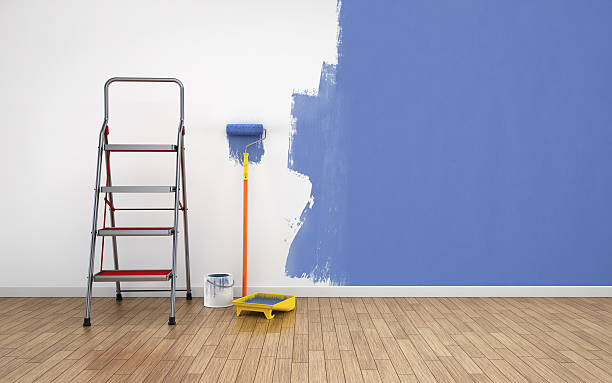
Tips for Fresher-Looking Interior Walls
- Use washable paints in high-use areas such as kitchens or hallways. These finishes allow easy removal of stains without damaging the paint surface.
- Address minor damage promptly by using touch-up paint kits in matching colors for small chips or scratches.
- Regularly clean your walls using gentle detergents suited for painted surfaces.
| Room Type | Recommended Repaint Frequency | Additional Notes |
| Living/Dining Room | Every 5–7 Years | Depends on style preferences or visible damage |
| Bedrooms | Every 5–7 Years (Adults) | Children’s rooms may require painting more often |
| Kitchens/Bathrooms | Every 3–4 Years | High humidity areas; washable paint recommended |
| Hallways | Every 2–3 Years | High traffic zones prone to wear-and-tear |
Benefits of Regular Interior Painting
- Protects surfaces from moisture damage by sealing cracks or imperfections prone to water infiltration.
- Enhances air quality by using low-VOC (volatile organic compound) paints that minimize harmful emissions over time.
- Increases property value by maintaining clean, updated interiors that appeal to potential buyers if you plan to sell your home.
By adhering to these guidelines and assessing individual room requirements, you can ensure your home’s interior remains both visually appealing and structurally sound over time through thoughtful repainting practices.
How Often Should You Repaint Exterior Walls to Protect Your Home?
Repainting the exterior of your home is an essential maintenance task that goes beyond aesthetics. Properly timing your repainting projects ensures your home remains protected from environmental elements, such as moisture, sunlight, and temperature fluctuations. But how often should you repaint your exterior walls? The answer largely depends on factors such as the building material, the paint quality, and the climate in which you live.
General Guidelines for Repainting Exterior Walls
| Surface Type | Recommended Repainting Frequency |
| Wood siding | Every 3–7 years |
| Stucco | Every 5–10 years |
| Brick (painted) | Every 8–15 years |
| Fiber cement siding | Every 10–15 years |
| Aluminum siding | Every 5 years |
These ranges are just guidelines; individual circumstances may require adjustments. For instance, homes in extreme climates with intense heat or heavy rainfall may need more frequent attention.
Factors That Influence Repainting Frequency
- Climate: Harsh weather conditions, such as excessive humidity, strong winds, or UV exposure in sunny regions, can accelerate paint wear. Homes in coastal areas are also prone to salt-related damage.
- Paint Quality: High-quality paints tend to last longer than budget options. Investing in premium paints with advanced formulations ensures better longevity and protection.
- Surface Preparation: Proper surface preparation before painting is critical. Poor preparation can result in peeling or cracking paint much earlier than anticipated.
- Previous Coats: The type of paint previously used (e.g., oil-based vs. latex) influences durability. Latex paints generally hold up better over time.
- Maintenance Routine: Regular cleaning and inspection of your exterior walls can extend the life span of your paint job by preventing dirt buildup and addressing small problems early.
Signs It’s Time to Repaint Exterior Walls
- Cracked or peeling paint
- Faded colors due to sun exposure
- Water stains or mildew growth
- Exposed wood or other underlying material
- Visible damage from weather elements
Addressing these issues promptly helps prevent further deterioration that may require more costly repairs.
Tips for Choosing Durable Exterior Paint
- Weather Resistance: Look for paints labeled “weather-resistant” or “UV-resistant” for optimal performance against environmental stress.
- Mold & Mildew Protection: Select paints with anti-microbial properties if you live in humid areas prone to mold growth.
- High Pigment Levels: Paints with higher pigment concentrations offer better coverage and fade resistance.
- Elastomeric Paints: These flexible paints expand and contract with temperature changes, reducing cracking over time.
When Is the Best Time To Paint?
- Aim for mild weather conditions (temperatures between 50°F – 85°F).
- Avoid painting during rainy seasons or high humidity levels that might affect drying times.
- Spring and early fall are typically ideal seasons for outdoor projects due to moderate temperatures and reduced precipitation risks.
Regularly evaluating your home’s exterior condition ensures it remains well-protected while maintaining its curb appeal. By following these guidelines, you’ll safeguard your property against premature wear while enjoying an attractive finish that lasts longer.
Signs That Indicate It’s Time for House Painting Perrysburg OH
Identifying when it’s time to repaint your walls is a crucial part of maintaining the aesthetics and integrity of your home. Over time, both interior and exterior walls endure wear and tear that can compromise their visual appeal and functionality. Below are key signs that suggest it may be time for a fresh coat of paint.
1. Fading or Discoloration
Faded or discolored paint is one of the most obvious signs it’s time for a refresh. Common causes include:
– Sunlight Exposure: Prolonged exposure to UV rays can cause exterior walls to fade significantly over time, especially in areas with intense sunlight.
– Moisture or Humidity: Interior walls in humid spaces like kitchens or bathrooms may see uneven discoloration due to moisture buildup.
If you notice uneven tones or dull color compared to how the paint originally looked, it’s likely time for a repaint.
2. Peeling, Cracking, or Bubbling Paint
Physical damage such as peeling, cracking, or bubbling indicates that your existing paint has lost its protective qualities. This often occurs due to:
– Poor Surface Preparation: When the surface wasn’t properly primed before painting, adhesion issues can cause paint failure over time.
– Water Damage: Bubbling paint may indicate hidden leaks or excessive moisture beneath the surface.
Address these issues promptly as they could allow further damage like mold growth or structural problems if left untreated.
3. Visible Stains and Marks That Can’t Be Cleaned
Everyday life leaves its mark on your interior walls—from scuffs caused by furniture movement to stains from spills. In some cases, regular cleaning may not restore the wall’s appearance, especially:
– If there are permanent marks that penetrate through layers of paint.
– In high-traffic areas such as hallways or children’s rooms where wear is more frequent.
When cleaning no longer works to remove blemishes, consider refreshing with new paint.
4. Outdated Colors That No Longer Match Your Style
Trends in color schemes change over time, and so do personal tastes. If you feel like your home’s current colors are outdated or no longer align with your design preferences, repainting offers an excellent way to modernize your space without major renovations.
Tip: Neutral tones can offer timeless versatility while bold accent walls add personality when done strategically.
5. Cracked Caulking Around Windows and Doors (Exterior)
For exterior surfaces, cracked caulking around windowsills and doors often signals it’s time for maintenance work—including repainting:
| Problem | Cause | Recommendation |
|—————–|—————————————————————————————-|—————————————————|
| Cracks in Caulk | Movement caused by temperature changes weakens caulk | Reseal gaps before applying fresh coats of paint |
| Paint Separation| Paint pulling away from caulk due to insufficient flexibility | Use high-quality flexible caulks meant for exteriors|
Ignoring these signs could result in drafts during colder seasons and water seepage during rains.
6. Mold or Mildew Growth on Walls
Mold growth on painted surfaces isn’t just unsightly but also poses health risks if left untreated—especially indoors where ventilation may be poor:
– Indicators: Black spots forming around corners/edges near ceilings; musty odors present. – Solution: First clean affected spots using mold removal products before repairing any damaged sections with fresh coats tailored towards resisting mildew (e.g., paints containing antimicrobial properties).
7. Frequent Chalking on Exterior Surfaces
“Chalking” refers specifically when powdery residue forms upon rubbing fingers across older painted exteriors—a breakdown naturally seen weather-prone homes over several years without proper re-sealing regularly done earlier .
By paying attention these telltale signs above strategically timing repaints allows proactive owners keep spaces functional attractive well-maintained long-term basis keeping value preserved always .
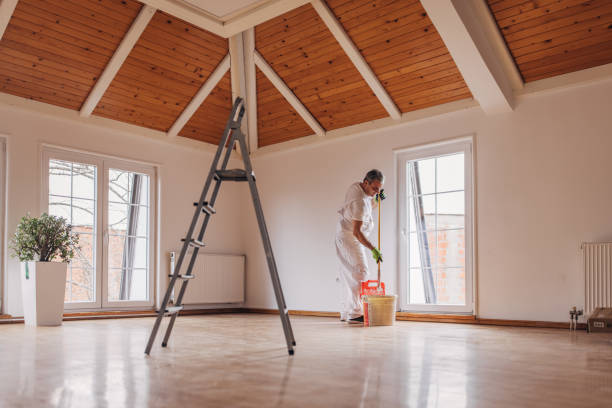
Signs That Indicate It’s Time to Repaint Your Walls
Repainting your walls is not only about maintaining aesthetics but also about protecting the structural integrity of your home. Over time, wear and tear, environmental factors, and daily use can take a toll on your interior and exterior walls. Below are key signs that indicate it’s time to refresh your space with a new coat of paint.
1. Peeling or Cracking Paint
- Moisture damage, especially in areas like kitchens, bathrooms, or basements
- Poor surface preparation before the previous paint job
- Low-quality paint products used previously
If left unaddressed, peeling paint may expose the underlying surface to further damage such as mold growth or structural decay.
2. Fading Colors
Fading paint is another clear indicator that it’s time for a refresh. This is particularly noticeable on exterior walls due to constant exposure to sunlight and harsh weather conditions. Interior walls may also fade over time if they receive prolonged sunlight through windows or glass doors.
Faded colors not only reduce the vibrancy of your space but can also make it look dated or neglected.
3. Stains and Persistent Marks
- Spills
- Scuff marks from furniture or shoes
- Crayons and markers (in homes with children)
When cleaning fails to restore a clean appearance, repainting becomes necessary for maintaining a fresh look.
4. Visible Mold or Mildew Growth
Mold and mildew are serious issues that not only affect the appearance of your walls but also pose health risks. These problems typically occur in areas with high humidity levels where ventilation is poor—such as bathrooms or basements. If you notice discoloration caused by mold (often black, green, or brown spots), it’s essential to address both the root cause (moisture) and apply fresh paint after remediation.
5. Outdated Colors
If your wall colors feel outdated—whether they were once trendy shades no longer in fashion or simply don’t fit with current decor—it may be time to modernize your space with new hues.
Color Trends Over Time: An Example Table
| Decade | Popular Colors |
| 1990s | Neutral beige tones |
| Early 2000s | Bold reds & deep jewel tones |
| Mid-to-late 2010s | Gray & cool neutral palettes |
| Current trends | Earthy greens & warm neutrals |
Refreshing colors can instantly revive any room while keeping up-to-date with evolving design preferences.
6. Bubbling Paint Surface
A bubbling effect on painted surfaces often signals trapped moisture beneath the layers of paint due to leaks, humidity issues, or improper application techniques during prior painting projects. Once bubbles appear on painted surfaces—whether inside or outside—it’s important to address them quickly before further deterioration occurs.
7. Chalky Residue on Exterior Walls
For exterior surfaces specifically, chalky residue often means UV rays have broken down pigment binders in old paint layers over time—a process known as “chalking.” When you rub your hand across an exterior wall and notice white powdery residue transferring onto skin/clothing easily—this indicates fading durability requiring reapplication soon.
By staying vigilant for these signs—whether indoors/outdoors—you ensure that timely repainting helps maintain both aesthetic value & protection against potential damages long term.
Seasonal Factors Painters Perrysburg OH Recommend Considering for Your Painting Project
Planning a painting project requires more than just selecting the right colors or coordinating with your schedule. Understanding seasonal factors can help ensure that your paint application is smooth, durable, and long-lasting. Weather conditions, temperature, and humidity all play crucial roles in determining the success of both interior and exterior painting projects. Below, we discuss key seasonal considerations to keep in mind.
Temperature Ranges for Optimal Painting
- Latex Paints: 50°F (10°C) to 85°F (29°C)
- Oil-Based Paints: 40°F (4°C) to 90°F (32°C)
It’s essential to check the label on your paint can for exact guidelines because working outside these ranges could lead to unsatisfactory results.
Humidity Levels and Their Impact
Humidity is another critical factor when planning a painting project. High humidity slows down the drying process by keeping moisture in the air around the painted surface. This can result in prolonged drying times and an increased risk of mold or mildew developing on exterior walls.
- Ideal humidity levels for painting are generally between 40% and 70%.
- Avoid painting during rainy seasons or shortly after a heavy downpour.
For interiors, maintaining proper ventilation will help regulate indoor humidity levels and support faster drying times.

Best Seasons for Exterior Painting Projects
| Season | Pros | Cons |
| Spring | Moderate temperatures; less extreme weather | Rain showers may delay progress |
| Summer | Warm weather ensures quick drying | High heat may cause paint to cure too quickly |
| Fall | Cool temperatures perfect for even drying | Potential frost in late autumn |
| Winter | Low UV exposure reduces fading | Freezing conditions limit workability |
If possible, plan your project during spring or early fall when weather conditions are ideal for long-lasting results.
Timing Interior Painting Projects
- Dry Seasons: Choose months with lower humidity levels if you live in areas prone to dampness.
- Busy Holidays: Avoid scheduling major painting projects during holiday seasons when high foot traffic might disturb freshly painted surfaces.
- School Breaks: Families with children may find school breaks ideal since they allow time for preparation without disrupting daily routines.
Tips for Adapting to Seasonal Challenges
- Use paints formulated specifically for low or high temperatures.
- Invest in tools such as dehumidifiers or heaters that help control environmental conditions.
- Work during mid-morning or early afternoon hours when temperatures are typically most stable.
- Apply thinner coats of paint instead of thick layers; this encourages faster drying even under less-than-perfect conditions.
By carefully assessing seasonal factors before starting your project, you’ll not only achieve better results but also protect your investment over time through improved durability and appearance.
Transform Your Home with a Leading Painting Company Perrysburg OH
Painting is one of the simplest and most transformative ways to refresh any space. However, choosing the right approach can make a significant difference in creating a purposeful and lasting impact. Whether you’re painting a single room or an entire home, thoughtful planning ensures that the colors, styles, and techniques align with your aesthetic preferences and functional needs.
Understanding the Purpose Behind Your Painting Project
- Revamping Style: Sometimes, spaces need an update to stay in sync with modern trends or personal tastes.
- Repairing Damage: Over time, walls may develop scuffs, cracks, stains, or peeling paint that require attention.
- Increasing Property Value: Repainting can enhance curb appeal or prepare your property for resale.
- Improving Mood & Functionality: Certain colors evoke specific emotions or improve productivity in spaces like offices and study areas.
Clearly defining your purpose will help guide decisions about paint types, colors, and finishes.
Tips for Choosing Colors With Purpose
- Warm tones (e.g., yellows and oranges) create energy and warmth for living spaces like kitchens or playrooms.
- Cool tones (e.g., blues and greens) promote relaxation in areas such as bedrooms or bathrooms.
- Neutrals (e.g., whites, grays) offer versatility and serve as timeless options for professional settings.
- Natural light enhances lighter shades during the day but may dull darker hues.
- Artificial lighting can shift how colors appear; warm bulbs work well with earth tones while bright LEDs complement cooler palettes.
- Match wall colors with existing furniture, flooring materials, or architectural details.
- Create contrast by using complementary shades on trim work or accent walls.
A thoughtfully selected color scheme ensures harmony within each room while reflecting its intended mood.
Selecting Paint Finishes Based on Functionality
| Paint Finish | Characteristics | Best For |
| Flat/Matte | Non-reflective; hides imperfections | Ceilings; low-traffic areas |
| Eggshell | Subtle sheen; easy maintenance | Living rooms; dining rooms |
| Satin | Smooth finish; durable | Hallways; children’s rooms |
| Semi-Gloss | Reflective; moisture-resistant | Kitchens; bathrooms |
| High Gloss | Ultra-reflective; bold statement | Doors; trims |
By matching finishes to specific areas’ needs, you’ll ensure durability while maintaining visual appeal.
Planning for Long-Term Impact
- Opt for high-quality paints with excellent coverage to reduce the frequency of repainting.
- Use environmentally friendly paints with low volatile organic compounds (VOCs) to improve indoor air quality.
- Consider timeless designs instead of trendy ones if aiming for longevity over fleeting fads.
Refresh your space not just as a cosmetic upgrade but also as an investment in comfort and functionality by planning carefully at every step of the process.
- The Ultimate Guide to House Painting Perrysburg OH: Everything You Need for a Perfect Finish
- Understanding the Services Offered by a Painting Company Perrysburg OH for Interior and Exterior Projects
- Key Signs It’s Time for Interior & Exterior Painting Perrysburg OH and How Often to Repaint Your Home
- How Often Should You Hire Painters Perrysburg OH for Interior and Exterior Painting
- Painters Perrysburg OH: Everything You Need to Know About House Painting Tips and Techniques
- Expert Tips from a Painting Company Perrysburg OH: Transform Your Space
- Finding the Best Painters Perrysburg OH: A Comprehensive Guide for Interior Painting Beginners
- How Often Should You Hire a Painting Company Perrysburg OH to Keep Your Home Looking Fresh and Vibrant